

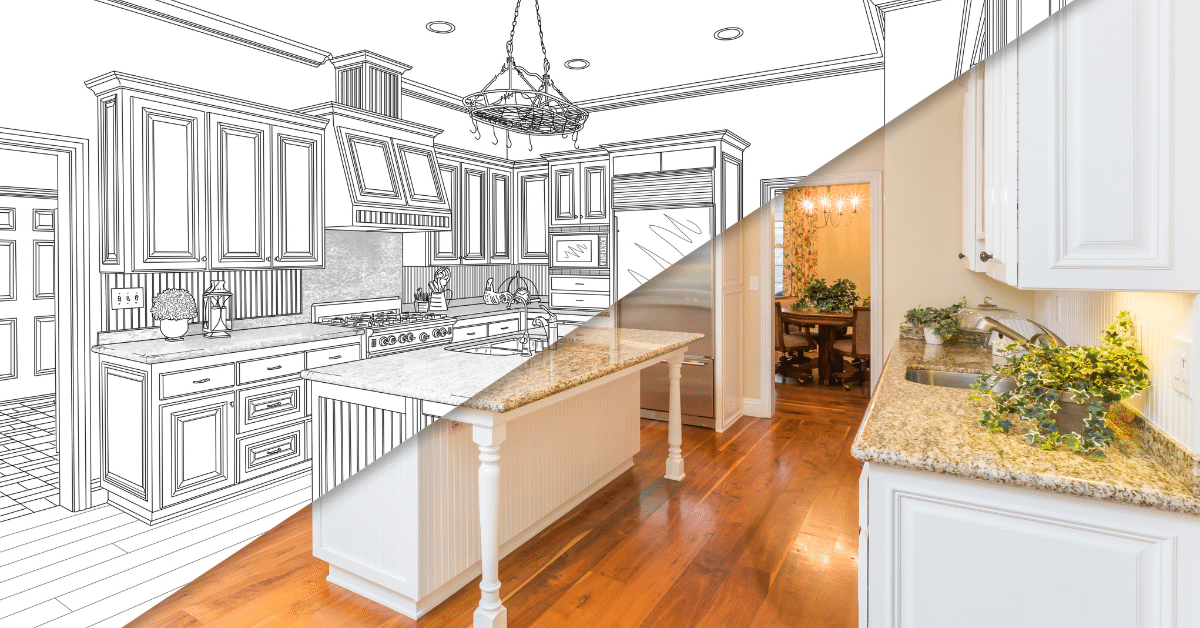
Every successful renovation begins long before construction starts. Homeowners often see the finished space but not the months of planning, coordination, and decision-making that make it possible. This is especially true for custom remodels, which require a higher level of detail, personalization, and organization than standard renovation projects.
At 2 Brothers Renovations, planning is the foundation of every project we take on. A clear process ensures that expectations are aligned, budgets are respected, and the final result reflects the homeowner’s vision. Understanding how a project moves from concept to completion helps homeowners feel confident and informed at every stage.
1. Defining the Vision and Goals
The first phase of any renovation is understanding the homeowner’s goals. This stage focuses on identifying what is not working in the current space and what improvements are needed to support daily living.
During initial conversations, homeowners often share functional challenges, aesthetic preferences, and long-term plans for their home. These discussions help shape the direction of the project and establish priorities.
In custom remodels, this step is essential because every design decision is tailored to the homeowner’s lifestyle. A well-defined vision ensures that all future choices support the same overall goal.
2. Evaluating the Existing Space
Once goals are clear, the next step is evaluating the home itself. This includes reviewing the layout, structure, utilities, and any limitations that may affect the renovation.
Older homes may have outdated wiring, plumbing concerns, or structural elements that need attention. Newer homes may have layout constraints that require creative solutions.
For custom remodels, understanding these conditions early allows for realistic planning and prevents surprises during construction.
3. Establishing a Realistic Budget
Budget planning is one of the most important parts of the renovation process. A clear budget provides structure and helps guide decisions throughout the project.
Costs typically include labor, materials, permits, design services, and a contingency allowance. A contingency fund is especially important in renovation projects where unexpected conditions may be discovered once work begins.
Custom remodels benefit from transparent budgeting because it allows homeowners to prioritize features that matter most while maintaining control over overall costs.
4. Design Development and Layout Planning
Design development transforms ideas into a workable plan. This phase includes layout adjustments, material selection, and defining how the renovated space will function.
Design decisions focus on flow, storage, lighting, and usability. Every choice is evaluated for how it supports daily routines and long-term comfort.
In custom remodels, design development is highly collaborative. Homeowners are involved in selecting finishes, fixtures, and layouts that reflect their personal style while maintaining cohesion throughout the home.
5. Selecting Materials and Finishes
Material selection plays a major role in both the appearance and durability of a renovation. Flooring, cabinetry, countertops, tile, fixtures, and lighting all need to work together.
Quality materials not only enhance visual appeal but also reduce maintenance and extend the life of the renovation. Thoughtful selections help ensure that the finished space remains functional and attractive for years to come.
Custom remodels rely heavily on material coordination to achieve a seamless and intentional final result.
6. Permits, Codes, and Approvals
Most renovation projects require permits or inspections at some point. These requirements vary depending on the scope of work and local building regulations.
Handling permits includes submitting documentation, scheduling inspections, and ensuring that all work meets code requirements. This step protects both the homeowner and the integrity of the renovation.
For custom remodels, proper permitting is especially important because of the complexity and scope of the work involved.
7. Creating the Project Timeline
A clear timeline helps set expectations and keeps the renovation organized. Timelines consider the sequence of work, availability of materials, and coordination between trades.
While no renovation timeline is completely fixed, realistic scheduling reduces stress and improves communication. Homeowners benefit from knowing when major milestones will occur.
Custom remodels require careful scheduling because multiple phases often overlap and depend on each other.
8. Preparing the Home for Construction
Before construction begins, the home must be prepared to minimize disruption. This includes protecting existing surfaces, removing personal items, and planning temporary adjustments to daily routines.
Homeowners may need to set up temporary kitchens, relocate furniture, or adjust schedules during construction. Preparation helps the project move smoothly and keeps the home safe.
Proper preparation is an important part of planning custom remodels that respect both the home and the people living in it.
9. Managing Construction and Coordination
Once construction begins, coordination becomes the priority. Multiple skilled trades may be involved, including carpenters, electricians, plumbers, painters, and tile installers.
Managing schedules, deliveries, and inspections ensures that work progresses efficiently. Quality control is also a constant focus during this stage.
Custom remodels require consistent oversight to ensure that every detail matches the approved plan and meets quality standards.
10. Addressing Changes and Unexpected Conditions
Even with careful planning, renovations sometimes uncover unexpected issues. These may include structural concerns, outdated systems, or hidden damage.
When changes are necessary, clear communication helps homeowners understand their options and make informed decisions. Flexibility and experience are key to keeping the project moving forward.
Custom remodels benefit from proactive problem-solving that minimizes delays and maintains project integrity.
11. Quality Checks and Final Adjustments
As construction nears completion, detailed inspections ensure that workmanship meets expectations. This includes reviewing finishes, checking alignment, and verifying that all systems function properly.
Any necessary adjustments are addressed before the final walkthrough. Attention to detail at this stage ensures a polished and professional result.
For custom remodels, this final refinement phase is what elevates the project from good to exceptional.
12. Final Walkthrough and Project Completion
The final walkthrough allows homeowners to review the completed space and ask questions. This is an opportunity to explain features, maintenance considerations, and warranties.
Completion marks the end of construction but not the end of support. Reliable renovation teams remain available to address follow-up questions or concerns.
Successful custom remodels conclude with a space that meets both functional needs and design expectations.
13. The Long-Term Value of Thoughtful Planning
Carefully planned renovations offer long-term benefits. They improve daily living, enhance comfort, and add lasting value to the home.
Buyers recognize quality workmanship, thoughtful layouts, and durable materials. Projects that are planned and executed well tend to age gracefully and maintain appeal over time.
Custom remodels that focus on functionality and craftsmanship often deliver the greatest return on investment.
Why Homeowners Choose 2 Brothers Renovations
Homeowners trust 2 Brothers Renovations because we prioritize communication, planning, and craftsmanship. Our process is designed to guide clients from the earliest concept through final completion with clarity and confidence.
We approach each project with respect for the home and attention to detail at every stage. Our goal is to create spaces that reflect the homeowner’s vision while supporting long-term comfort and value.
Custom remodels require experience and organization, and that is where our team excels.
A Clear Process Leads to Successful Results
Planning is the key to a successful renovation. From defining goals and selecting materials to managing construction and final details, every step contributes to the outcome.
Understanding how custom remodels are planned from concept to completion helps homeowners feel prepared and confident throughout the process. With the right team and a clear plan, renovation can be a positive and rewarding experience.
If you are considering a renovation, thoughtful planning is the first step toward a finished space you will enjoy for years to come.
Learn more about 2 Brothers Renovations and see our most recent projects by following us on Facebook.